What is a Marine Safari in Zanzibar?
A marine safari in Zanzibar is a boat excursion that takes you to explore the archipelago’s crystal-clear waters to observe marine wildlife in its natural habitat. Unlike traditional diving or snorkeling, a marine safari combines navigation, marine mammal observation (dolphins, sometimes whales), snorkeling in coral reefs, and encounters with sea turtles.
What makes a marine safari in Zanzibar special:
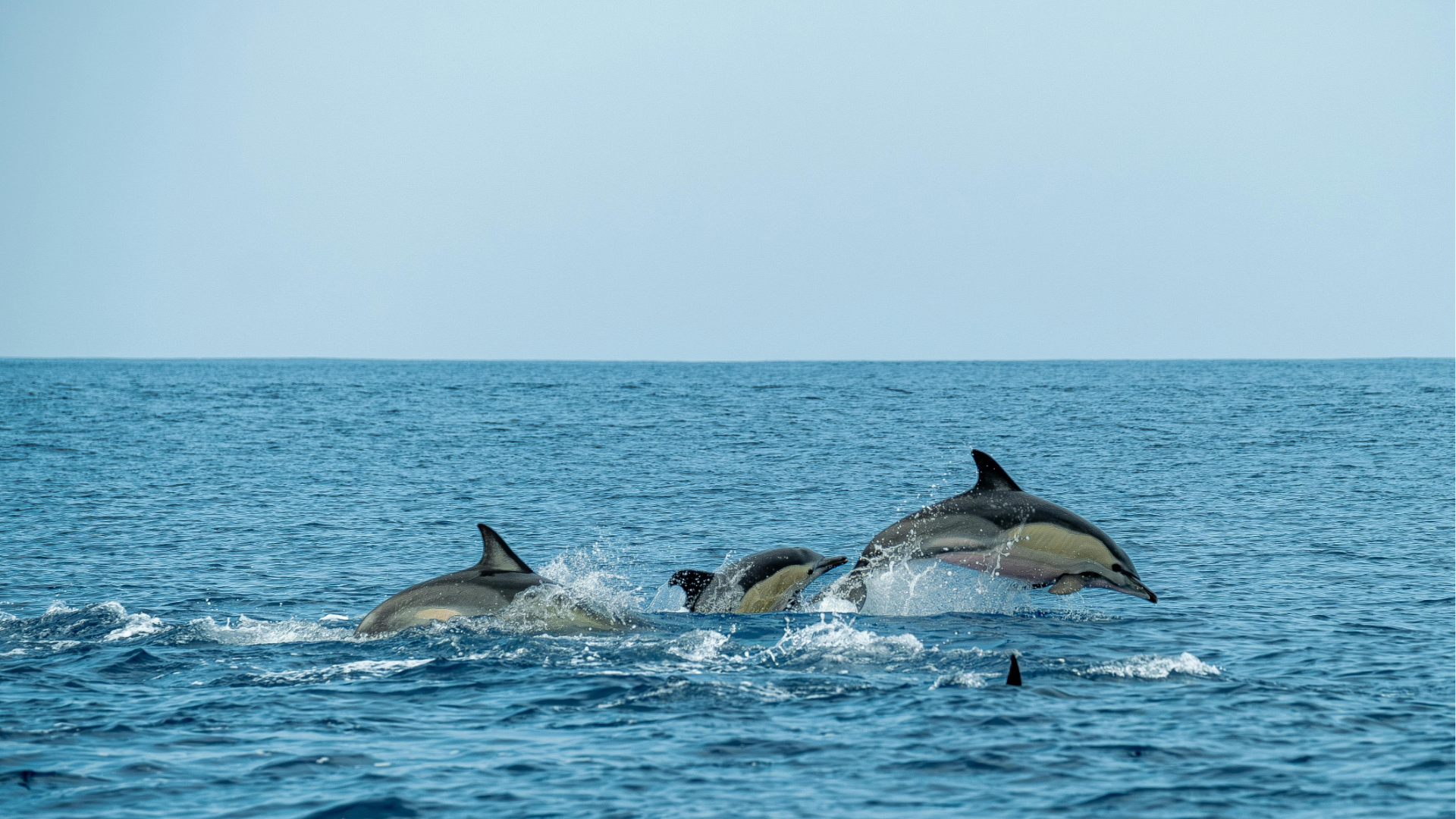
- Observing wild dolphins playing and hunting in groups
- Snorkeling with sea turtles in protected reefs
- Sailing in a traditional dhow or motorboat
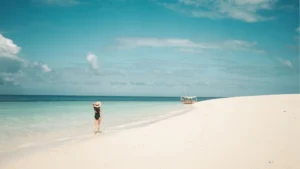
- Discovering hidden lagoons and pristine sandbanks
- Barbecue lunch on a deserted island
The Zanzibar archipelago is home to several protected marine areas, including the Menai Bay Conservation Area (Zanzibar’s largest at 500 km²), ensuring rich and preserved wildlife.
Zanzibar Dolphins: Where and How to Observe Them?
Best Spots for Dolphin Marine Safaris
Menai Bay and Kizimkazi
Located in southwest Zanzibar, Kizimkazi is THE go-to spot for observing dolphins during a marine safari in Zanzibar. This fishing village, now focused on responsible tourism, is the starting point for excursions to Menai Bay, a 500 km² marine reserve home to approximately 200 resident dolphins.
Species observed:
- Bottlenose dolphins (Tursiops truncatus): the most common, recognizable by their imposing size and short rostrum
- Indo-Pacific humpback dolphins: smaller, with a characteristic hump below the dorsal fin
Kizimkazi dolphins are active year-round, but the best chances for observation are between June and October and January-February, during the dry season when the water is calm and visibility is excellent.
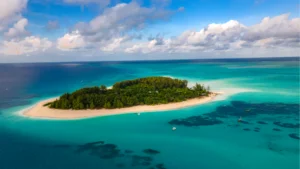
Mnemba Atoll
In northeast Zanzibar, Mnemba Atoll is also an excellent spot for marine safaris. This private island, surrounded by a protected marine reserve, attracts dolphins due to the abundance of fish and squid. Excursions depart from Matemwe or Nungwi.
Discover our Mnemba Island marine safari to swim with dolphins and explore the coral reefs!
How a Dolphin Marine Safari Unfolds
Early morning departure (6-7 AM) Dolphins are most active in the early hours of the day, before the heat drives them to deeper waters. Wake up at dawn to maximize your chances of observing them!
Navigation and spotting Aboard a traditional boat or speed boat, your guide navigates to areas frequented by dolphins. Local fishermen, now guides, know their habits and hunting grounds perfectly.
Observation and swimming with dolphins Once dolphins are spotted (often in groups of 10 to 30 individuals), the boat approaches gently. If conditions allow and the dolphins are playful, you can get into the water with a mask, snorkel, and fins to swim alongside them. A magical and respectful moment!
Important: Always choose a responsible operator who respects ethical rules: no chasing dolphins, calm approach, limiting the number of boats, respecting safe distances.
Sea Turtles in Zanzibar: Sanctuaries and Encounters
Prison Island: The Giant Tortoise Sanctuary
Prison Island (Changuu Island) is famous for its sanctuary of Aldabra giant tortoises during a marine safari in Zanzibar. Just 30 minutes by boat from Stone Town, this small island is home to about fifty tortoises, some over 150 years old and weighing up to 200 kg!
The tortoise experience on Prison Island:
- Free observation in the tortoises’ natural enclosure
- Opportunity to feed them with leaves (provided on-site)
- Learning about their exceptional longevity and conservation
- Souvenir photos with these peaceful giants
Bonus: Prison Island also has a beautiful white sand beach and coral reefs perfect for snorkeling after visiting the tortoises.
Book our Prison Island and Nakupenda sandbank excursion for a complete marine safari!
Baraka Aquarium in Nungwi: Swimming with Sea Turtles
The Mnarani Turtle Sanctuary, also known as Baraka Aquarium, is a conservation center located in Nungwi, northern Zanzibar. Established in 1993, it protects endangered sea turtles and has released over 15,000 turtles into the ocean since its creation.
What you will experience:
- Swimming in a natural lagoon with sea turtles (green turtles and hawksbill turtles)
- Learning about conservation efforts
- Opportunity to feed the turtles with seaweed
- Direct contribution to the protection of endangered species
Indicative price: 10-15 USD per person (entry + swimming experience).
Snorkeling with Wild Sea Turtles
During a marine safari in Zanzibar, you will also have the opportunity to encounter wild sea turtles in the open sea during your snorkeling sessions.
Best spots for snorkeling with turtles:
Mnemba Atoll: The coral reefs are home to green turtles that come to feed on algae and jellyfish. Between June and September is hatching season, increasing your chances of observation.
Menai Bay: This marine reserve is an important breeding area for turtles. During your marine safari, you can snorkel in mangrove lagoons where turtles come to feed.
Chumbe Island: This protected marine park southwest of Stone Town offers an intact coral sanctuary where green turtles peacefully thrive. The island is managed according to strict ecotourism principles.
Tip: Never touch turtles, maintain a respectful distance (at least 2 meters), and do not chase them. Let them come to you naturally!
Safari Blue: The Ultimate Marine Safari in Zanzibar
The Flagship Excursion in Menai Bay
Safari Blue is undoubtedly THE most popular marine safari in Zanzibar! This full-day excursion in Menai Bay combines all the pleasures: traditional dhow sailing, dolphin watching, snorkeling in the reefs, swimming in a mangrove lagoon, and a barbecue lunch on a deserted island.
Experience this unforgettable adventure with our Safari Blue snorkeling tour!
Other Marine Encounters during a Zanzibar Safari
Humpback Whales (July-September)
Between July and September, humpback whales migrate to the warm waters of the Indian Ocean to mate and calve. These giants, 16 meters long and weighing 40 tons, can be observed off Mnemba Island, Nungwi, Paje, and Zanzibar Town.
Important: Observation is done from a respectful distance from the boat. Swimming with whales is not permitted in Zanzibar to protect these mammals.
Manta Rays and Leopard Rays
During your snorkeling sessions on a marine safari in Zanzibar, you may encounter majestic rays:
- Manta rays: impressive with their wingspan of several meters, often observed in Mnemba
- Leopard rays: smaller and spotted, resting on the sandy bottom
Tropical Reef Fish
Zanzibar’s coral reefs are home to exceptional biodiversity:
- Clownfish (like Nemo!)
- Blue tangs (like Dory!)
- Vibrant parrotfish
- Delicate butterflyfish
- Moray eels in coral crevices
- Imposing Napoleon wrasse
When to Go on a Marine Safari in Zanzibar
The Best Seasons
Marine safaris in Zanzibar are available year-round, but certain periods are more favorable:
Dry season (June-October and January-February):
- Calm sea and crystal-clear waters
- Excellent visibility for snorkeling (15-30 meters)
- Best chances to observe active dolphins
- Ideal period for humpback whales (July-September)
Rainy season (March-May and November-December):
- Reduced underwater visibility
- Sea sometimes rough
- Less comfortable but fewer tourists
- Often more advantageous prices
To optimize your planning, consult our guide on when to visit Zanzibar.
Best Time of Day
For dolphins: Depart very early in the morning (6-7 AM). Dolphins are more active and easier to observe before the heat pushes them to deeper waters.
For snorkeling: Between 10 AM and 3 PM, when the sun is at its zenith, the colors of the corals and fish are magnified.
For turtles: Morning or late afternoon, when they come to feed in shallow waters.
Ethical and Responsible Marine Safari in Zanzibar
Golden Rules for a Respectful Marine Safari
Marine safaris in Zanzibar must be conducted with respect for marine wildlife. Here are the essential rules:
With dolphins:
- Never chase dolphins by boat
- Idle the engine when approaching
- Enter the water calmly, without jumping or shouting
- Swim quietly and let the dolphins come to you
- Never touch dolphins
- Limit time in the water (15-20 minutes maximum)
With turtles:
- Maintain a safe distance (minimum 2 meters)
- Never touch, ride, or chase turtles
- Do not use flash for photos
- Avoid sudden movements
Responsible snorkeling:
- Never touch, step on, or stand on corals (they are living and very fragile!)
- Do not feed fish (disrupts their natural behavior)
- Do not collect any shells, corals, or starfish
- Use ocean-friendly sunscreen (oxybenzone-free)
Choose a Responsible Operator
For an ethical marine safari in Zanzibar, prioritize:
- Local guides trained in eco-tourism
- Operators respecting protected marine areas
- Small group excursions (maximum 10-12 people)
- Boats that limit their speed near animals
- Providers who donate a portion of profits to conservation
Practical Tips for Your Marine Safari in Zanzibar
Equipment to bring:
- Swimsuit and towel
- Lycra or UV-protective rashguard (sun protection)
- Ocean-friendly sunscreen
- Sunglasses and hat
- Waterproof camera or GoPro
- Reusable water bottle
Health and safety:
- Know how to swim (even with a life jacket)
- Report any allergies or health issues
- Always follow the guide’s instructions
- In case of current, do not panic and signal your position
With children:
- From 6-8 years old for marine safaris
- Life jackets mandatory for non-swimmers
- Prefer short excursions (half-day)
- Prison Island and Baraka Aquarium are perfect for families
Experience Your Authentic Marine Safari in Zanzibar
A marine safari in Zanzibar offers unforgettable encounters with the marine wildlife of the Indian Ocean. From the playful dolphins of Kizimkazi to the century-old tortoises of Prison Island, and the legendary Safari Blue in Menai Bay, each excursion is a unique adventure in crystal-clear turquoise waters.
Contact us to experience magical moments up close with marine life!