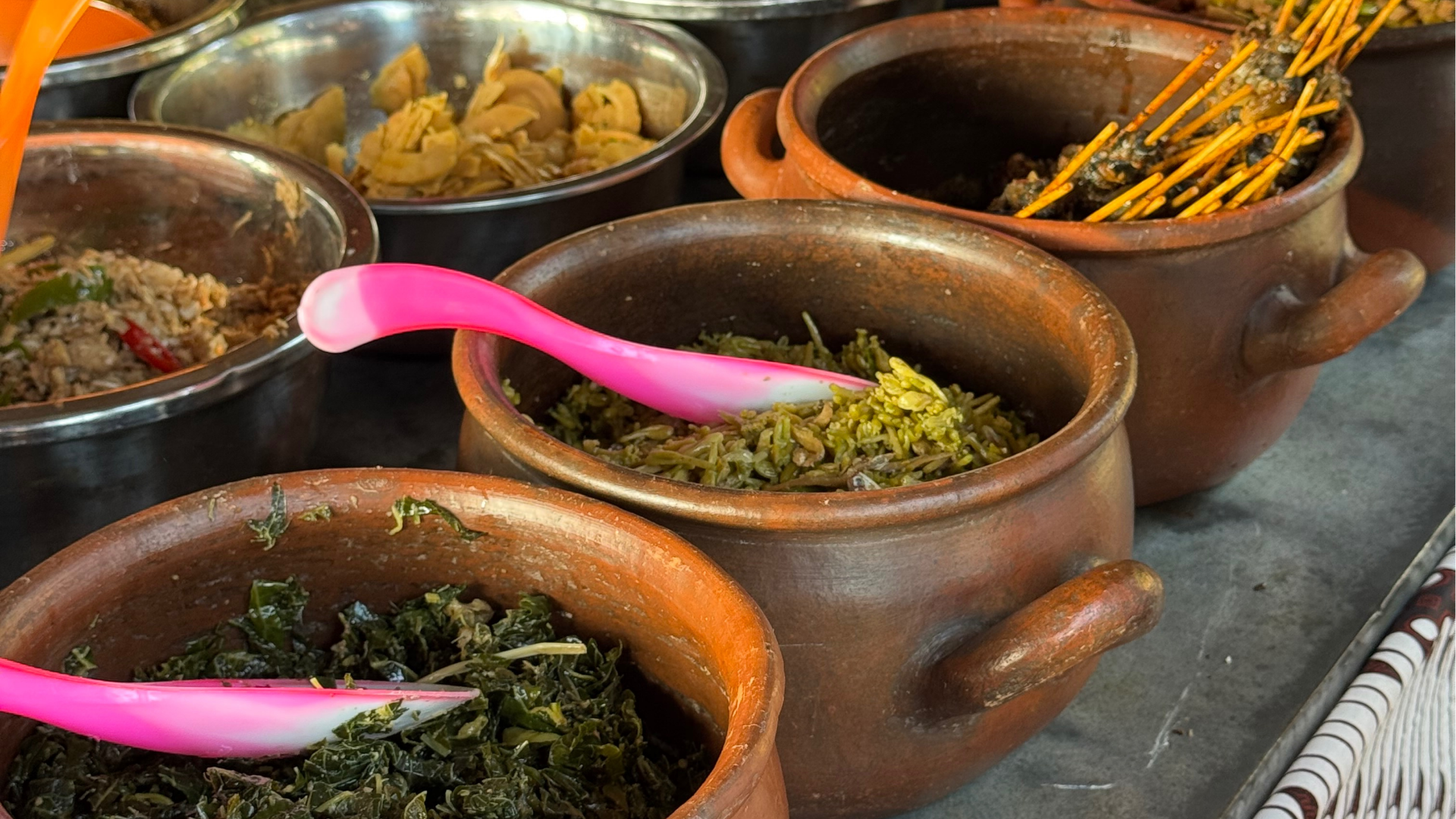
The multicultural heritage of Zanzibari cuisine
A unique culinary blend
Zanzibari cuisine is the result of centuries of maritime and cultural exchange. In the 19th century, the Sultan of Oman made Zanzibar a major commercial hub, attracting Arab, Indian, and Persian traders. Each group brought their culinary traditions, creating this unique gastronomic fusion.
Main influences:
- Swahili (Bantu): rice, cassava, plantains, seafood base
- Arabic: sweet spices (cardamom, cinnamon), honey pastries
- Indian: curry, biryani, samosas, chutneys, chapatis
- Portuguese: certain stews and marinating techniques
- British: modest but noticeable presence in some preparations
The secret to Zanzibari cuisine? The generous use of locally grown spices: cloves, cinnamon, vanilla, cardamom, nutmeg, ginger, pepper, and turmeric infuse every dish with captivating aromas.
Must-try dishes of Zanzibari cuisine
Pilau (or pilaf): the king of spiced rice
Pilau is undoubtedly THE emblematic dish of Zanzibari cuisine. This fragrant rice, steamed with spices, coconut milk, and sometimes meat or fish, is served on special occasions and celebrations.
How is it prepared?
Basmati rice is cooked with caramelized onions, cloves, cinnamon, cardamom, cumin, and sometimes dried fruits (raisins, almonds). Everything simmers gently in a fragrant broth until all the aromas are absorbed. The result: golden, fluffy, and incredibly fragrant rice!
Where to taste it?
Pilau can be found everywhere in Zanzibar, from local restaurants to hotels, and street food stalls. At Forodhani Gardens in Stone Town, you can taste authentic versions prepared right in front of you.
Zanzibari Biryani: the Indian influence
Biryani is a direct legacy of Indian cuisine, adapted to local flavors. This fragrant saffron (or turmeric) rice dish is cooked in alternating layers with marinated meat (chicken, beef, goat) or fish, all simmered with onions, tomatoes, yogurt, and a complex spice blend.
What makes it special: The Zanzibari version incorporates more coconut milk and cloves than its Indian counterpart, giving it a characteristic sweetness. Every family has its secret recipe passed down from generation to generation!
Pweza wa nazi: octopus with coconut milk
This is THE seafood specialty of Zanzibari cuisine! Pweza (octopus) is slowly simmered in a creamy mixture of coconut milk, lime juice, cardamom, turmeric, fresh cilantro, and green chilies. The octopus becomes incredibly tender after several hours of gentle cooking.
Local tip:
To tenderize the octopus, Zanzibari cooks traditionally beat it against rocks or freeze it before cooking. This ancestral technique guarantees a melt-in-your-mouth texture!
Best place to taste it:
Seaside restaurants in Michamvi Beach, Pingwe, or Paje serve this dish in clay pots, facing the ocean. The perfect culinary experience!
Samaki wa kupaka: grilled fish with coconut-curry sauce
Samaki wa kupaka perfectly illustrates the fusion of Indian and Swahili influences in Zanzibari cuisine. A whole fish (often red snapper or barracuda) is marinated in spices, grilled over charcoal, then topped with a creamy sauce of coconut milk, curry, tamarind, and chilies.
Tasting:
This dish is enjoyed with your fingers, accompanied by pilau rice, chapatis, or ugali (corn paste). Pure indulgence!
Urojo (Zanzibar soup)
Urojo, also called “Zanzibar mix”, is an emblematic spicy soup of local street food. This unique preparation blends a lentil and spice broth base with cassava fritters (bhajia), potatoes, hard-boiled eggs, mango chutney, and lime.
Where to find it?
Forodhani Gardens in Stone Town in the evening, and in small stalls around Darajani Market. It’s THE comfort food for Zanzibaris!
Traditional Zanzibari side dishes
Chapati: the essential flatbread
Chapatis are flatbreads of Indian origin, omnipresent in Zanzibari cuisine. The dough, made from wheat flour, water, salt, and sometimes oil, is kneaded, divided into balls, flattened thinly, then cooked dry on a hot griddle.
The Zanzibari touch?
The subtle addition of local spices like cardamom, cloves, or cinnamon to the dough, offering a delicately fragrant flavor.
How to enjoy them?
As an accompaniment to curries, stews, or simply buttered for breakfast with spiced tea.
Ugali: traditional corn paste
Ugali is the staple food for local populations throughout East Africa. This thick paste made from corn flour (or sometimes cassava) boiled in water accompanies almost all sauced dishes in Zanzibari cuisine.
Tasting technique:
Form a small ball of ugali with your fingers, make a well in the center to scoop up the sauce and meat or fish. A culinary art in itself!
Wali na maharage: rice and beans
This simple but delicious dish combines rice and brown (or red) beans simmered in coconut milk with cardamom, turmeric, cumin, garlic, and onions. It’s the daily meal for many Zanzibari families, nourishing and economical.
Sweet treats of Zanzibari cuisine
Maandazi: Zanzibari doughnuts
Maandazi are traditional Zanzibari doughnuts, served for breakfast or as a snack throughout the day. These small fried sweets, lightly sweetened and flavored with cardamom, coconut, or vanilla, are soft inside and golden outside.
Where to find them?
Everywhere! At street stalls, Darajani Market, and even in Stone Town bakeries from dawn.
Spice cake: the spiced cake
Spice cake, as its name suggests, is a delicious Zanzibari gingerbread that perfectly illustrates the nickname of “the Spice Island”. Cinnamon, cloves, nutmeg, cardamom, and sometimes a hint of chocolate blend in a moist and fragrant cake.
Halwa: the Arabic confectionery
Halwa is an Arabic confectionery highly prized in Zanzibari cuisine, especially during celebrations and Ramadan. This sweet paste made from corn flour, sugar, spices (cardamom, saffron), and sometimes nuts is cooked slowly until it achieves a unique gelatinous texture.
Special feature:
Each family jealously guards its secret halwa recipe, passed down from mother to daughter for generations!
Kaimati: syrup fritters
These small fried dough balls, then dipped in a syrup flavored with cardamom and rose water, mark the rhythm of Ramadan in Zanzibari homes. Crispy on the outside, soft on the inside, and generously sweet, they are irresistible!
Traditional Zanzibari drinks
Kahawa: Zanzibar’s spiced coffee
Kahawa is the traditional Zanzibari coffee, sold in the streets of Stone Town and at Forodhani Market. Prepared Turkish-style in tall coffee pots placed directly over the fire, this thick and strong coffee is flavored with vanilla, cardamom, orange blossom, or cinnamon.
Tasting technique:
Sip it in small gulps, inhaling to avoid drinking the grounds that remain at the bottom of the cup. A true ritual!
Chai massala: spiced tea
Chai massala is black tea infused with a blend of Indian spices (cardamom, ginger, cinnamon, anise) and milk (cow or coconut). Very sweet, this comforting tea is drunk at any time of day in Zanzibari culture.
Where to savor it?
In the small cafes of Stone Town, at Darajani Market, or from street vendors who serve it in tiny cups.
Fresh tropical fruit juices
With its tropical climate, Zanzibar produces an abundance of exotic fruits that make delicious juices: mango, pineapple, passion fruit, papaya, guava, coconut… Fresh juice stalls are everywhere in the streets!
A must-try:
Freshly pressed sugarcane juice, served with a squeeze of lime and ginger. Refreshing and energizing!
Where to taste authentic Zanzibari cuisine
Forodhani Gardens in Stone Town
Forodhani Gardens is THE temple of Zanzibari street food! Every evening from 6 PM, this night market on the waterfront comes alive with dozens of stalls offering local specialties.
What to taste:
- Grilled seafood skewers (lobsters, calamari, shrimp)
- Zanzibar pizza (sweet or savory stuffed crepe, cooked on a griddle)
- Urojo (spicy soup)
- Mishkaki (marinated meat skewers)
- Fresh sugarcane juice
Atmosphere:
Candlelight, lanterns, ocean views, and local entertainment. The perfect experience to discover Zanzibari cuisine!
Prices:
2,000–5,000 TZS per dish (very affordable!).
Darajani Market
Stone Town’s central market offers a raw and authentic culinary experience. In the stalls around the market, you’ll find small local restaurants serving the real Zanzibari cuisine that locals eat daily.
Tip:
Visit in the morning for local breakfast (maandazi, chapatis, spiced tea) or at noon for freshly prepared hot dishes (pilau, biryani, stews).
Authentic local restaurants
To taste Zanzibari cuisine in a more relaxed setting, several local restaurants in Stone Town offer traditional menus:
- Lukmaan Restaurant: A Stone Town institution since 1988, this unassuming little restaurant serves authentic Zanzibari cuisine at local prices. The daily fish curry and chicken biryani are excellent.
- Stone Town Café: Terrace with a view of the old port, refined local cuisine, and a relaxed atmosphere. Perfect for a shaded lunch.
Beach restaurants
On the coasts of Zanzibar, many beach restaurants offer ultra-fresh seafood cooked in the Zanzibari style.
In Paje, Jambiani, and Michamvi: Local fishermen have opened beach restaurants where they serve their daily catch grilled, in curry, or with coconut milk. Negotiable prices, guaranteed freshness, and a paradisiacal setting!
Tip:
Order your meal in the morning so the fisherman can go get fresh produce especially for you.
Learn Zanzibari cuisine with a local class
An immersive culinary experience
Participating in a Zanzibari cooking class is one of the most enriching cultural experiences of your stay. Much more than just a culinary lesson, it’s a dive into traditions, ancestral techniques, and family secrets.
Typical process:
- Market visit (morning): Accompanied by your Zanzibari host, you explore Darajani Market to choose fresh fish, fragrant spices, and local vegetables.
- Dish preparation: In a family kitchen, you get hands-on to prepare several specialties: pilau, fish curry, chapatis, coconut chutney…
- Family tasting: You share the meal prepared together around the family table.
Why is it unique?
Beyond the recipes, you leave with a deep understanding of Zanzibari cuisine and unforgettable memories of human connection.
Experience this authentic adventure with our cultural excursions to discover true Zanzibari cuisine!
Practical tips for discovering Zanzibari cuisine
Adapt your palate to spices
Zanzibari cuisine is generously spiced! If you’re not used to it, start gradually:
- Ask for “kidogo pilipili” (a little chili)
- First taste mild dishes like pilau or biryani
- Always have yogurt or coconut milk on hand
Food hygiene
- Opt for sealed bottled water
- Always wash and peel your fruits
- Choose dishes freshly cooked in front of you
- Avoid raw vegetables in small local restaurants
Meal budget in Zanzibar
- Street food and local restaurants: 2,000–10,000 TZS (0.70–3.50 USD)
- Mid-range restaurants: 15,000–30,000 TZS (5–10 USD)
- Tourist restaurants/hotels: 30,000–80,000 TZS (10–28 USD)
Tip:
To taste authentic Zanzibari cuisine at low prices, eat where the locals eat!
Respect customs during Ramadan
During the month of Ramadan:
- Avoid eating, drinking, or smoking in public during the day
- Local restaurants are often closed during the day
- In the evening, Forodhani Gardens comes alive for breaking the fast
Bring the flavors of Zanzibar home
Spices and local products
At Darajani Market or in specialized shops, buy:
- Dried cloves
- Vanilla pods
- Cinnamon sticks
- Green cardamom
- Pilau or biryani spice blends
- Virgin coconut oil
- Artisanal spice soaps
Tip:
Spices purchased directly from the farm during your spice plantation tour are ultra-fresh and authentic!
Savor the authenticity of Zanzibari cuisine
Zanzibari cuisine is much more than just gastronomy: it’s a sensory journey through the archipelago’s multicultural history. From fragrant pilau to creamy pweza wa nazi, crispy maandazi, and spiced kahawa, each dish tells a story of encounters, exchanges, and preserved traditions.
Our local team will help you discover Zanzibar’s culinary treasures authentically. Explore all our cultural excursions including market visits, spice plantations, and gastronomic experiences with Chudy, your passionate French-speaking guide!
For more information on Zanzibar’s gastronomy, consult specialized culinary guides such as Petit Futé and Comptoir des Voyages.